Property Team Insight - Providence, RI

What Belongs in a Commercial Exterior Cleaning Safety Plan?

A commercial exterior cleaning safety plan connects the building, access method, public space, water, weather, and crew responsibilities before work begins. For Providence property managers and building engineers, the first step is a property-specific review of surfaces, access, water, drainage, traffic, weather, and the finish the building needs.

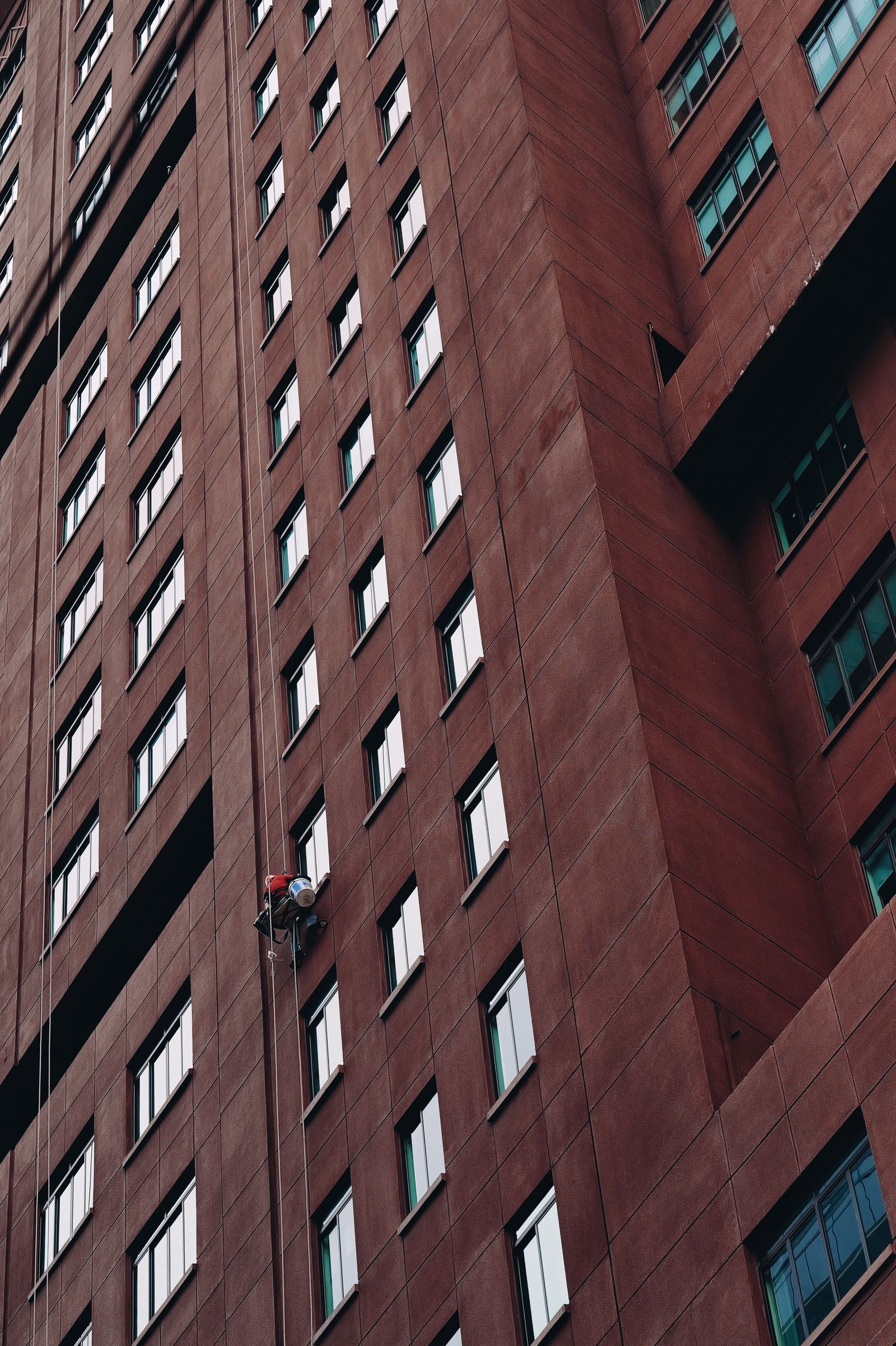
High-access technician working on the exterior of a multistory building
Some elevations still require contact access; the scope should identify that before mobilization.
Providence Building Care

Control the active work zone

Identify launch or lift areas, exclusion zones, hose routes, pedestrians, vehicles, entrances, tenants, guests, spotters, signage, and the person who can pause work when conditions change.

Providence Building Care

Match the method to the building

The plan should identify whether the work uses ground equipment, a lift, rope or suspended access, poles, hand detail, or drone-assisted wetting and rinsing, along with the limits of each method.

Providence Building Care

Set weather and closeout rules

Define wind, lightning, precipitation, visibility, surface, and water conditions that trigger a pause or reschedule. Closeout should include the completed scope, remaining conditions, photos, and any follow-up referral.

Local Planning Lens

Plan around weather, traffic, and facade condition.

Commercial exteriors in the Northeast can move through pollen, rain, freeze-thaw cycles, and winter residue in the same maintenance year. The site review should connect the desired finish to temperature, access, and the property calendar.

  • Check temperature, wind, and freeze risk before selecting a wash window.
  • Review salt or winter residue around entrances, loading zones, and lower elevations.
  • Coordinate tenant, pedestrian, and parking controls for tighter urban or campus sites.
Next Step

Turn the question into a property-specific scope.

The guide is a starting point. Surface, access, traffic, weather, water, and the required finish determine the right next step for the building.